
Rhythm Run
About:
Rhythm Run is a unique blend of action-adventure and rhythm-based gameplay, where players must navigate through challenging dungeons while syncing their movements to the beat of the soundtrack.
Role:
Solo Designer and Developer
Project Brief:
Design a game centered around extensive player customization
My Solution:
To meet the brief, I designed Rhythm Run around the Creativity, Mastery, and Social pillars of the Quantic Foundry player motivation model.
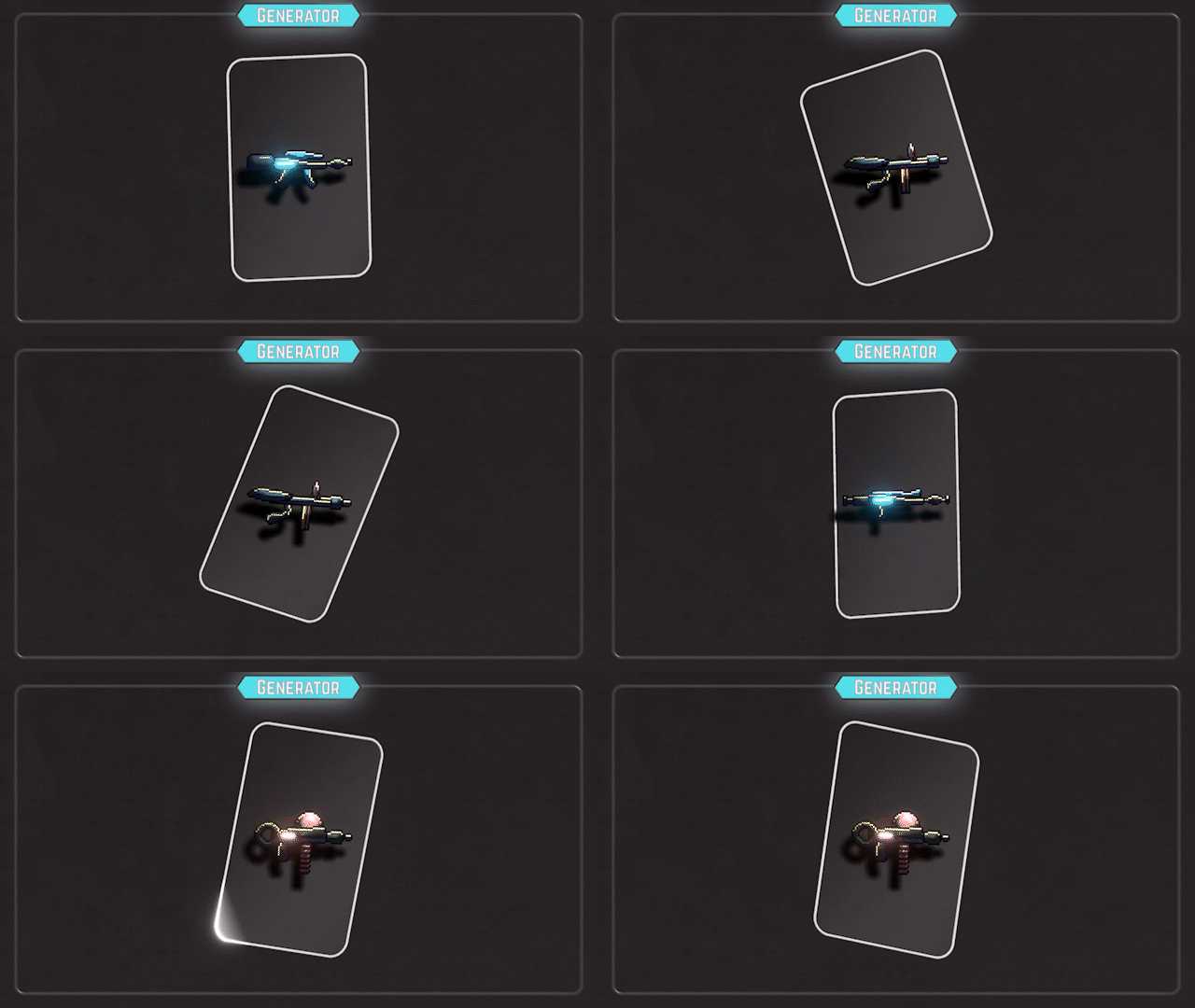
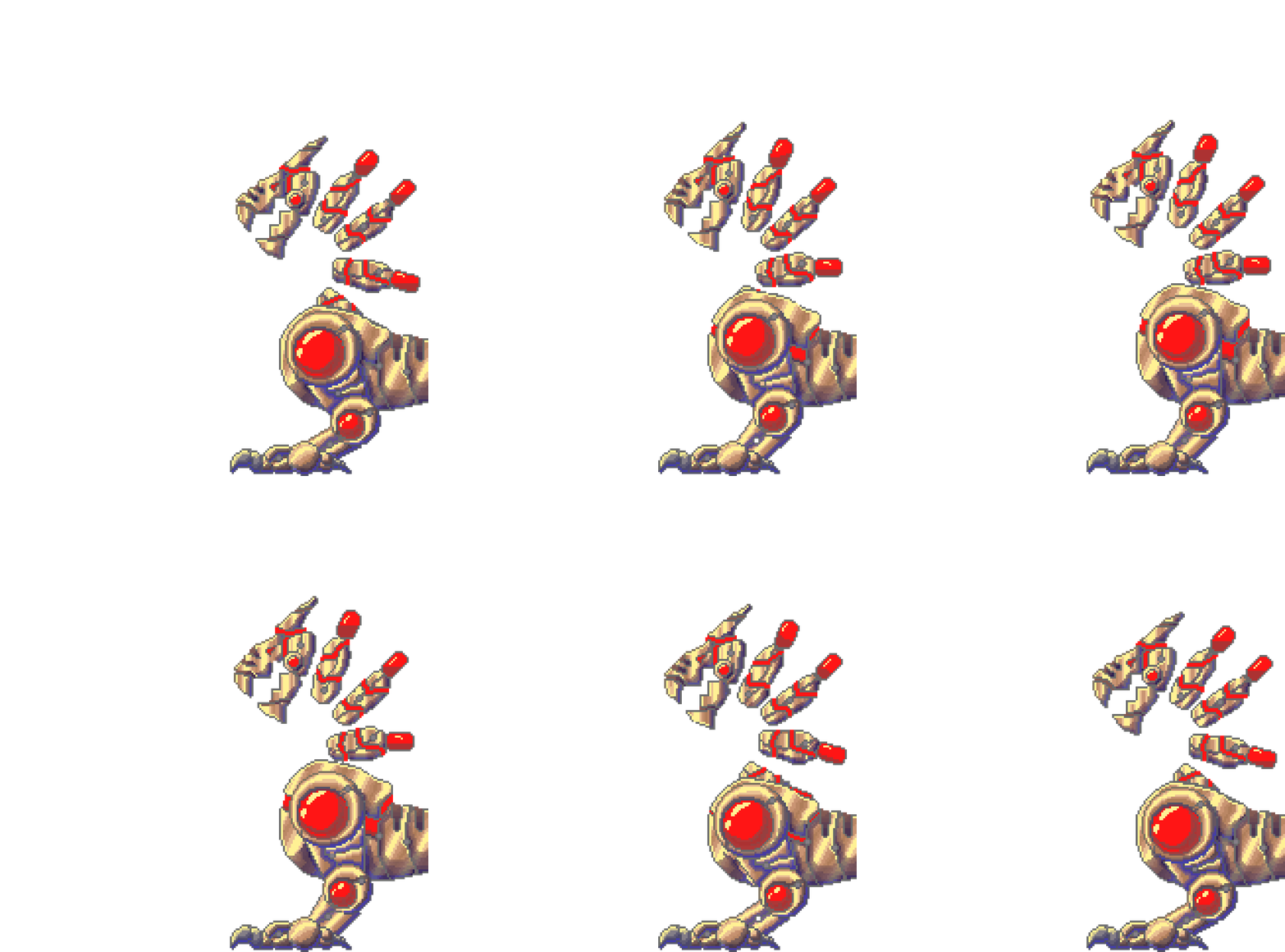
- Creativity – Players can personalize their experience through character design, gameplay style, and visual customization. The game encourages experimentation, allowing players to discover and tinker with different builds to suit their playstyle.
- Social – The game features multiplayer co-op for up to four players, allowing friends to team up for dungeon runs, fostering teamwork and social interaction.
- Mastery – The action combat and platforming elements are designed to challenge players’ skill and timing. Each dungeon is paired with its own unique soundtrack, encouraging players to master both the music’s rhythm and the dungeon’s mechanics.
As a personal challenge, I also sought to integrate rhythm mechanics into a Metroidvania-style experience — developing and programming combat that syncs precisely with each track’s BPM.
UX Goal
Rhythm Run combines action combat, platforming, and rhythm timing, so the UI needed to do two things at once:
- Communicate rhythm timing clearly in real time.
- Stay unobtrusive so players can focus on movement, enemies, and spatial awareness
UX Research
I researched rhythm-hybrid games (e.g., Patapon) and found that successful rhythm UI is highly readable but low-clutter. Instead of adding large beat prompts or overlays that fight with combat readability, I designed an unobtrusive rhythm bar that sits consistently in the player’s peripheral vision.
Information Hierarchy
Combat creates high decision density, so I treated the HUD as an information hierarchy problem:
- Primary info: Health and immediate survivability cues (always visible, high contrast, minimal reading)
- Secondary info: Skill readiness and cooldown feedback (icons readable at a glance)
- Tertiary info: Deeper details on demand (tooltips/expanded views, if applicable)
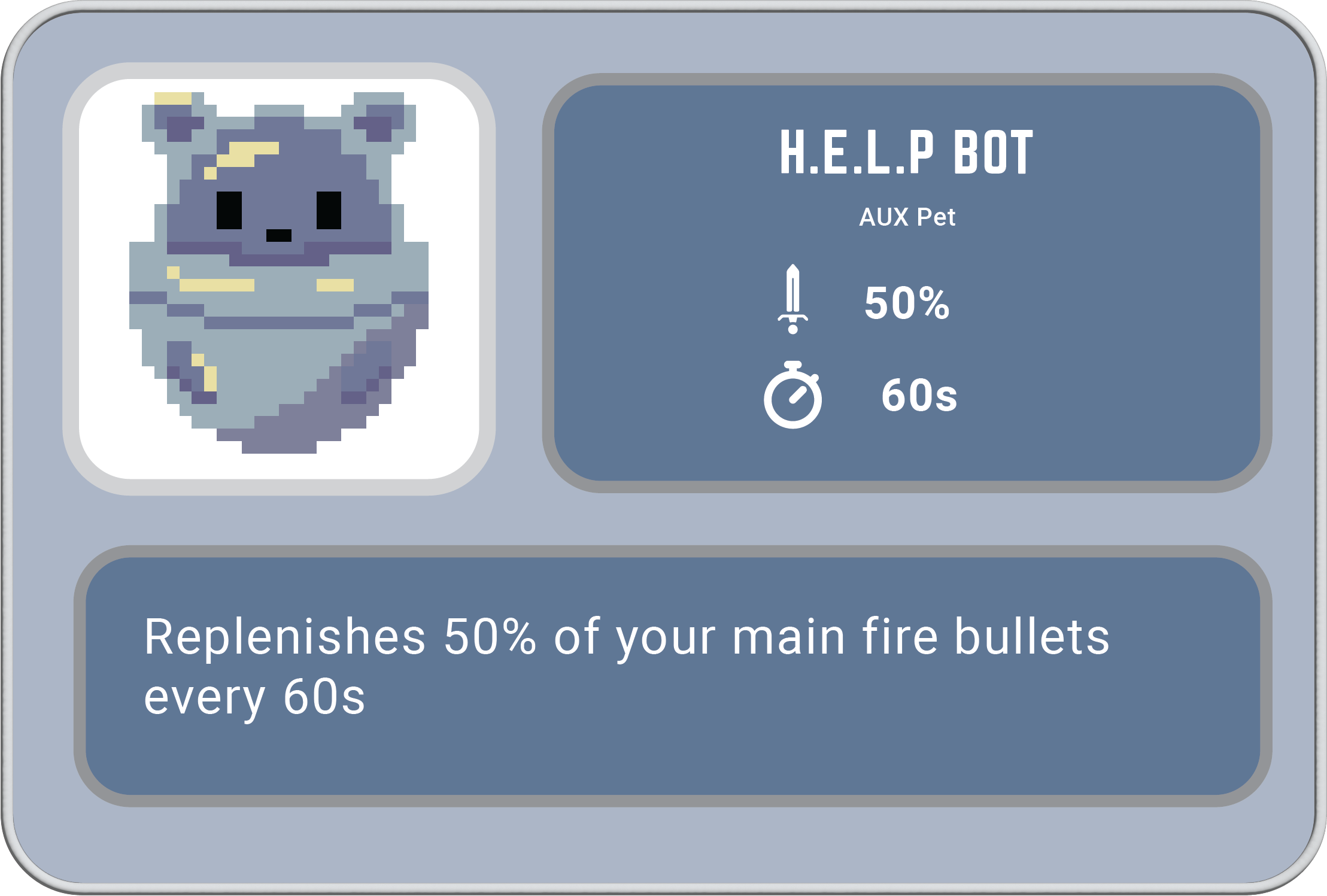
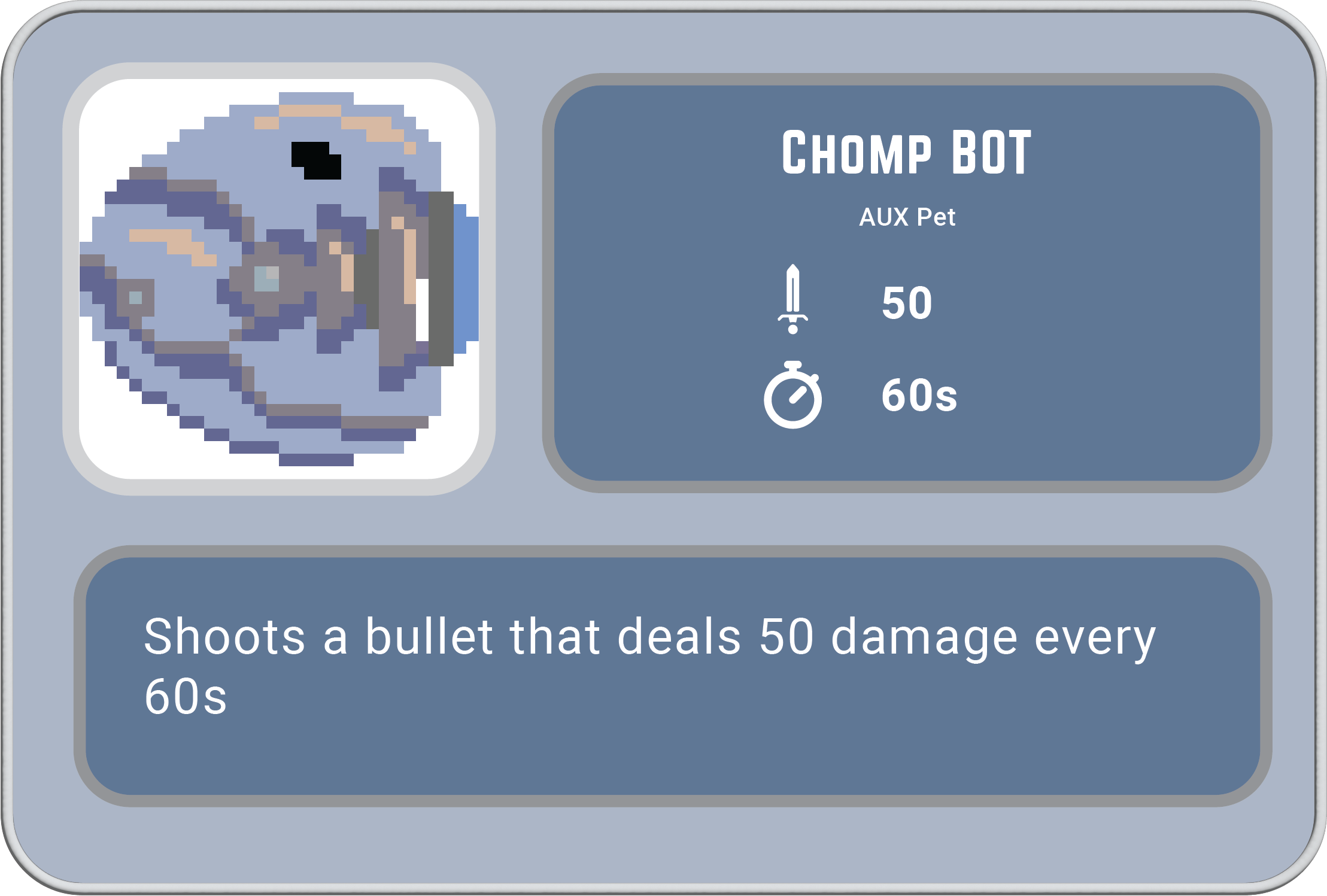
Iconography and Visual Language
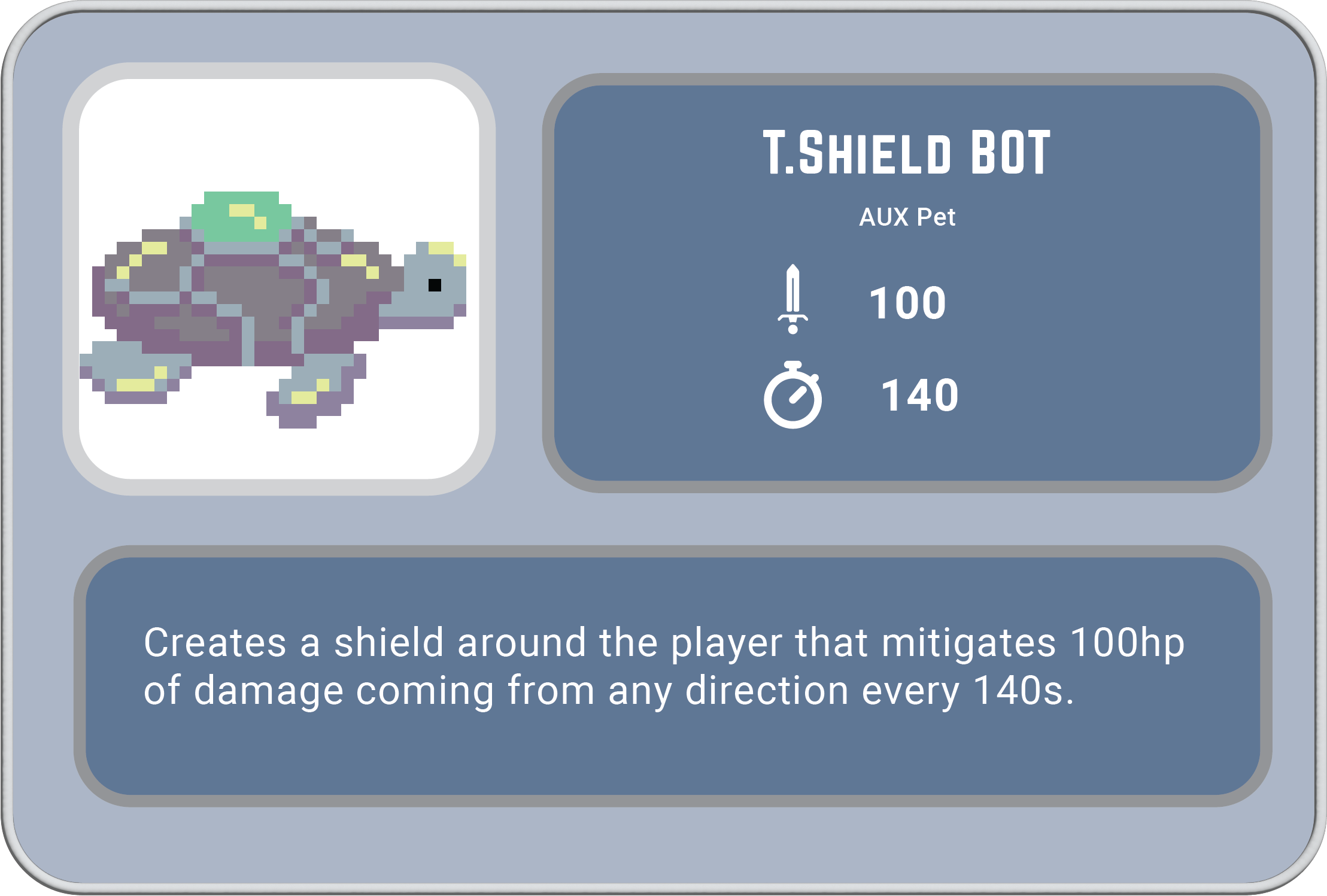
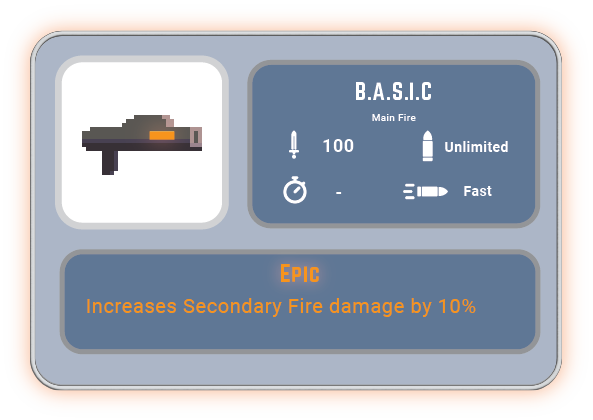
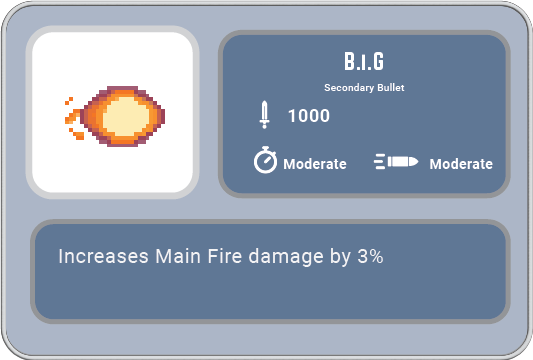
To support quick decision-making mid-combat, I designed skill icons with distinctive silhouettes and consistent visual rules (shape language, stroke weight, and color coding by function). This helps players recognize abilities quickly, even during movement and rhythm timing.